When Is It Safe to Resume Physical Activity After Knee Reconstruction?

Recovery is not only about waiting for the knee to heal. It is about walking with confidence, returning to work, and eventually taking part in the activities you enjoy. Progress may feel slow at times, but every improvement in movement, strength, and balance is a meaningful step forward.
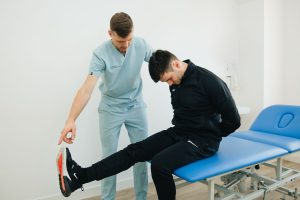
After ACL surgery, readiness for activity should be based on more than the number of weeks or months since the procedure. The knee should have little or no swelling, a good range of movement, and enough strength and stability for the activity you want to resume. A physiotherapist may also use balance, hopping, and movement tests to compare both legs.
Guidance from the orthopaedic team at Alps Orthopaedic Centre can help patients understand their progress and move through each stage of recovery safely. Following professional advice, reporting new pain or swelling, and avoiding an early return to sport can help protect the knee and reduce the risk of another setback.
Understanding the Healing Timeline
The Early Recovery Phase
In the first few weeks after knee reconstruction, the body focuses on healing the surgical site. Swelling, stiffness, and limited mobility are common during this stage. Patients are often encouraged to start gentle exercises under supervision to reduce stiffness and improve circulation.
This phase is not about pushing too hard. It is about allowing the knee to stabilize and begin the recovery process. Even small movements, such as bending and straightening the knee, play an important role in restoring normal movement.
Gradual Strength Building
As healing progresses, the focus shifts to strengthening the muscles around the knee. This stage usually involves guided physiotherapy, where exercises are tailored to improve stability and flexibility.
Patients may feel more confident as pain decreases, but it is important not to rush. Strength takes time to rebuild, and overexertion can lead to setbacks. Consistency is more important than doing too much during this period.
Returning to Functional Movement
Several weeks into recovery, patients begin to regain more natural movement. Activities like walking without assistance, climbing stairs, or light stretching become more manageable.
However, this does not mean the knee is fully ready for high impact activities. The knee continues to heal even when it feels better. Listening to the body and following medical advice remains essential.
Factors That Influence a Safe Return
Individual Healing and Rehabilitation Progress
Every recovery journey is different. Factors such as age, overall health, and commitment to rehabilitation can all affect how quickly someone regains strength and mobility.
Some individuals may progress steadily, while others experience slower recovery. This is a normal part of healing. Regular check ups with a healthcare provider help ensure that recovery is on track and adjustments can be made when needed.
Rehabilitation programs often include progressive exercises that match the patient’s current ability. Moving too quickly through each stage of recovery can increase the risk of another injury.
Type of Physical Activity
Not all physical activities place the same demands on the knee. Low impact exercises such as swimming or cycling are often introduced earlier in the recovery process because they are gentler on the joints.
On the other hand, activities that involve jumping, pivoting, or sudden changes in direction require more time and preparation. These movements place more stress on the reconstructed ligament and surrounding tissues.
Patients are usually advised to return to these higher impact activities only after their strength, balance, and coordination have fully recovered. This often happens several months after surgery, depending on how well each person recovers.
Moving Forward with Confidence
Recovering from knee reconstruction is a gradual process that requires patience and care. While it is natural to want to return to normal activities quickly, giving the knee enough time to heal can help prevent complications and support better long term recovery.
Clear communication with healthcare professionals, consistent rehabilitation, and paying attention to the body’s signals all play a role in a safe return to physical activity. Each step forward, no matter how small, helps build a stronger and more stable knee.
For those going through this journey, the goal is not just to move again, but to move well and with confidence. With the right approach, returning to an active lifestyle can feel both achievable and rewarding.
Related Posts